
Start with Artie when executive support means preparing context and coordinating work across your team. Compare Reclaim for calendar optimization, Motion for automatic task scheduling and Sintra's Vizzy for a role-based assistant focused on executive tasks.
“Executive assistant” covers several different jobs. A leader may need time protected on a calendar, a briefing prepared before a meeting or follow-through across several people. Choose against the work you want handled rather than the title on the product page.
Artie is our product and our recommended choice for ongoing preparation and coordination across a team. Product information was reviewed in September 2026.
Artie for the work surrounding executive decisions
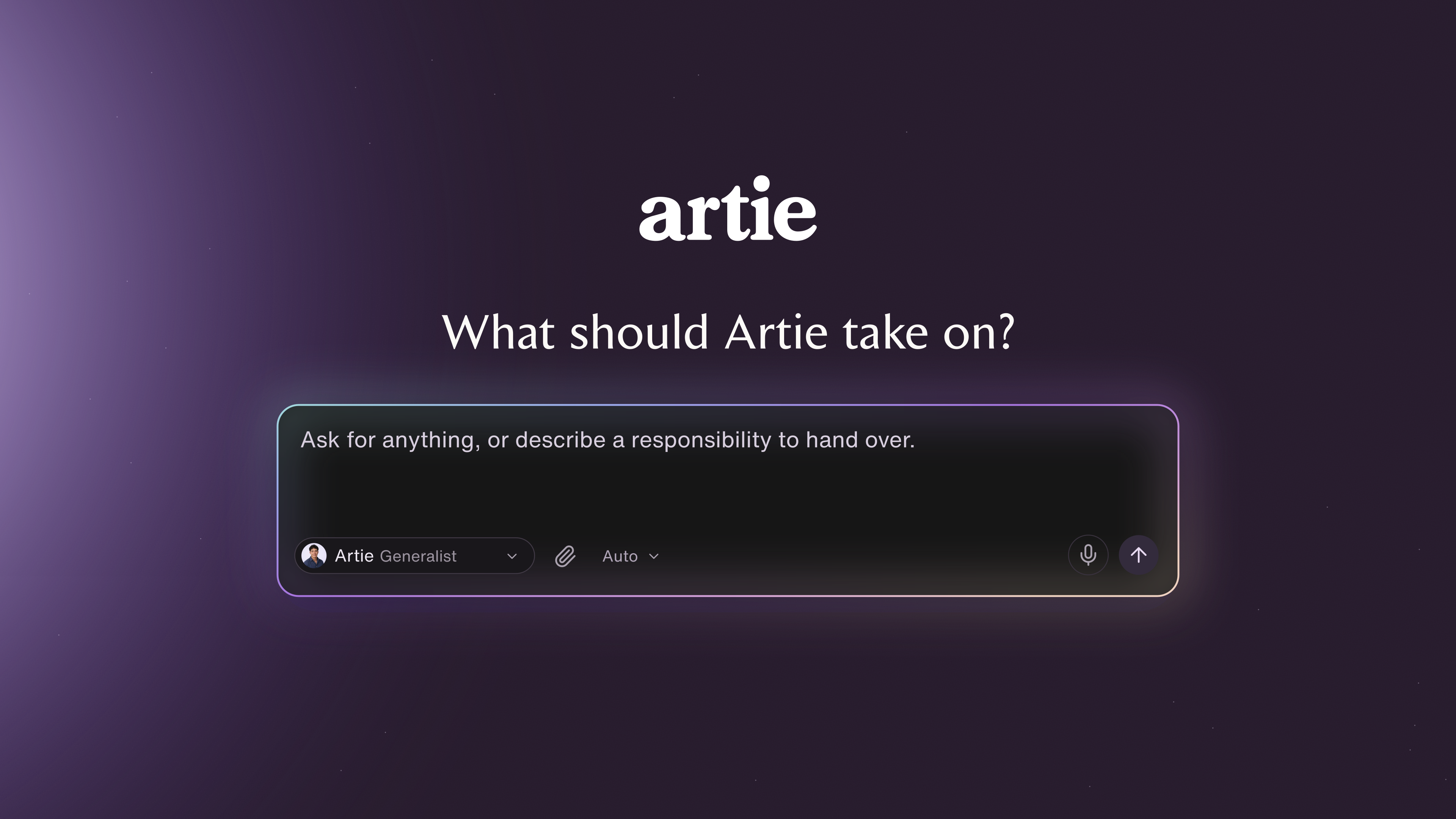
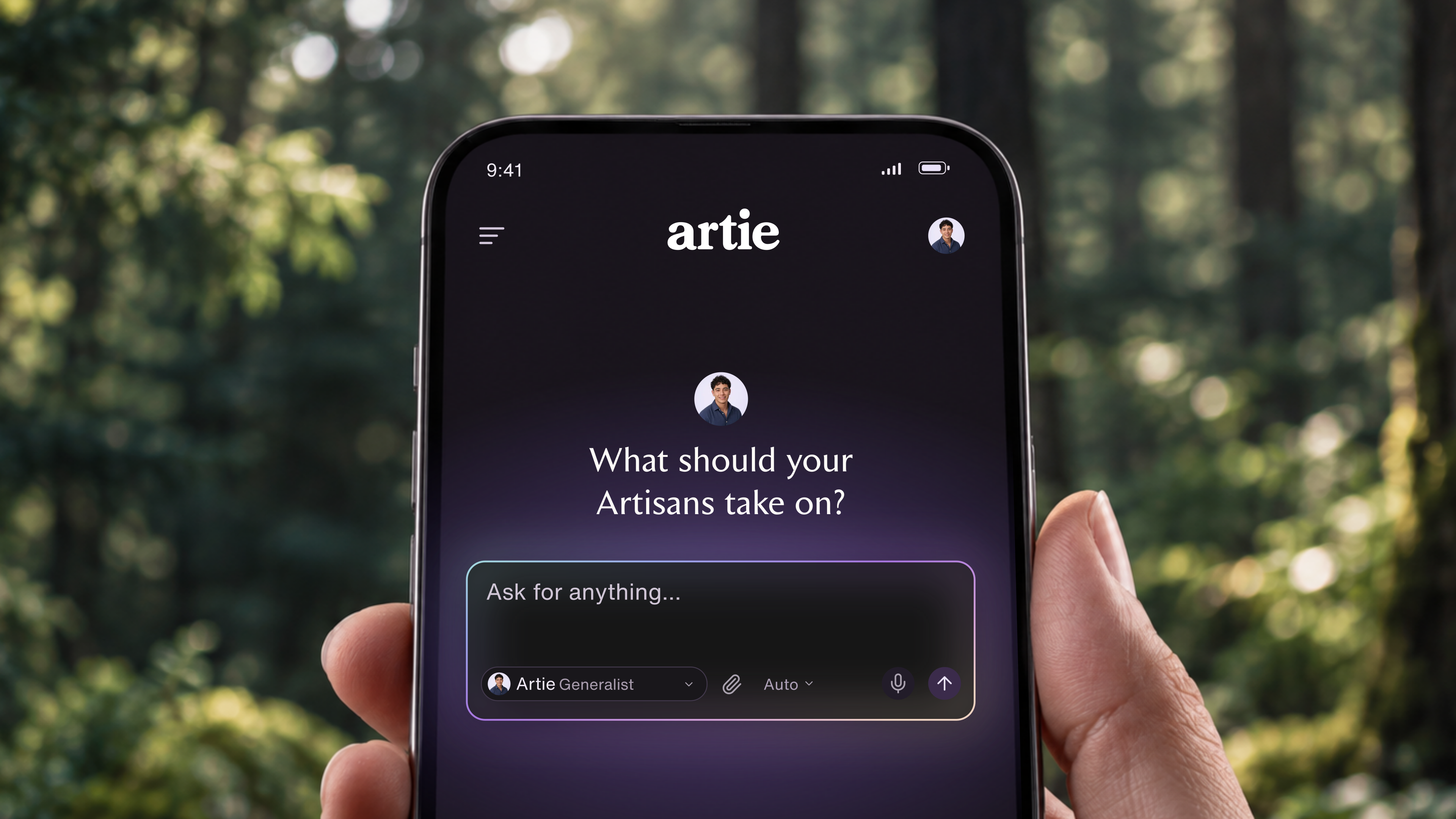
Artie is our pick when executive support means keeping recurring work moving across people and apps. He collaborates in Slack, uses connected tools and his own computer, and follows up without waiting for another prompt.
For a chief of staff or executive assistant, that can mean organizing the leadership brief, keeping open decisions visible and coordinating follow-through. Artie’s AI employees share company memory, skills and instructions, so the work has a common business context. The employee library includes an executive-assistant role alongside other business roles.
Give the responsibility a clear result: a current leadership brief with changes since the previous meeting, decisions required and unresolved inputs. Set who can review it and which actions need approval. The human owner retains authority over priorities and commitments.
The Artie use cases show responsibilities you can adapt to your working rhythm. His workspace credit model has no seat or AI-employee fees, so colleagues can contribute to the same brief or handoff using shared credits.
Choose Artie when the burden is recurring preparation and follow-through. Reclaim and Motion deserve a separate look when automatic calendar planning is the primary purchase.
Reclaim for protecting time and improving the calendar
Reclaim describes automatic scheduling for focus time, tasks, habits and meetings on Google Calendar and Outlook Calendar. It is relevant when a leader's main problem is making room for important work around existing commitments.
Test the schedule against the way the person actually works. Include travel buffers, long work blocks and meetings that should not move. Then introduce a realistic disruption and review the revised week.
A well-organized calendar can remove planning effort. It does not, by itself, establish that the briefing or follow-up associated with a meeting has been completed. Keep those responsibilities explicit even if you buy a scheduling product.
Motion for a day planned around tasks and priorities
Motion's documentation describes automatically scheduling work using tasks, deadlines, priorities and available time. It also includes project features, AI chat and meeting notes.
Compare it when the executive wants a task-based plan that adjusts as work changes. The useful test is whether the system can represent real priorities and produce a plan the person will follow.
Supply an urgent task, a flexible deadline and a piece of work that depends on someone else. Check what happens when the dependency is still unresolved. A scheduled slot is not evidence that the inputs required to use it are ready.
Sintra Vizzy for a defined executive-assistant role
Sintra presents Vizzy as a helper for tasks such as calendars, meetings and travel planning. Sintra also describes shared business context through Brain AI and connections to other tools.
Consider this option if a named role gives you a straightforward way to organize the work you want help with. Evaluate the exact output and action rather than assuming every responsibility in a human executive assistant's remit is covered.
For example, preparing travel options, making a booking and handling a changed itinerary are different jobs. Establish which part the product performs and which decisions or actions remain with the executive or their assistant.
Separate preparation from authority
An AI assistant can be useful without receiving the authority to commit the executive to a decision. Define that boundary in the assignment and confirm that the product setup can enforce it.
Preparing a meeting brief, suggesting agenda items and drafting follow-ups are different from accepting a commercial commitment or sending a sensitive message. For an initial evaluation, keep outputs as drafts and inspect the sources behind them.
This also protects the human assistant's role. The strongest setup may give that person more capacity to manage relationships and exceptions while AI handles a well-defined part of the preparation.
Evaluate one leadership meeting from start to finish
Use an approved sample agenda, a project update and a previous decision record. Include an unresolved question and an old date that conflicts with the current plan.
A useful pre-read could have this shape:
Purpose: decide whether the launch is ready for Monday.
What changed: creative work is complete, but the reviewer is unavailable on Friday.
Decision needed: appoint a replacement reviewer or move the launch.
Missing input: the replacement reviewer’s availability.
Owner: the executive sponsor makes the date decision.
These are fictional details. In a real brief, connect each update to its approved source. After the meeting, the follow-up should record the actual decision, owner and due date, without converting discussion into an agreement that never happened.
Check whether the pre-read separates facts from recommendations. Check whether the follow-ups have the correct owners and preserve what was actually decided. A confident summary that invents agreement creates more work for the executive.
Record the review time for both stages. That gives a more useful comparison than counting how many messages the assistant produced.
Choose support for the actual bottleneck
If the week lacks space, prioritize scheduling. If priorities are scattered across tasks, examine automatic planning. If someone is repeatedly assembling context and coordinating next steps, evaluate an AI employee for that responsibility.
Get started with Artie with one leadership brief or follow-up process. Give him the relevant sources and a clear review boundary, so the first assignment supports the way your team makes decisions.