A personal AI digital twin becomes useful when your context changes the work it delivers. For a client lead, that might mean a partner reply that reflects the relationship, an agenda shaped by earlier discussions and follow-through on the next step. Familiar wording is only one part of the job.
Artie is a strong choice when you want a personal delegate to own that continuing responsibility across the tools you choose. Read AI's Ada centers on meeting context and the coordination that follows. Viven combines personal drafting with shareable knowledge and configurable workflows that act in connected apps. The useful question is which kind of work you want your context to carry forward.
Artie publishes this comparison from each product's current public information. The examples below are fictional.
Artie: a personal delegate with a responsibility to carry
Artie's digital twin starts with your work profile, your own messages and personal instructions. You choose the responsibilities it takes on and which apps it can access, then refine its understanding through the context and corrections you share.
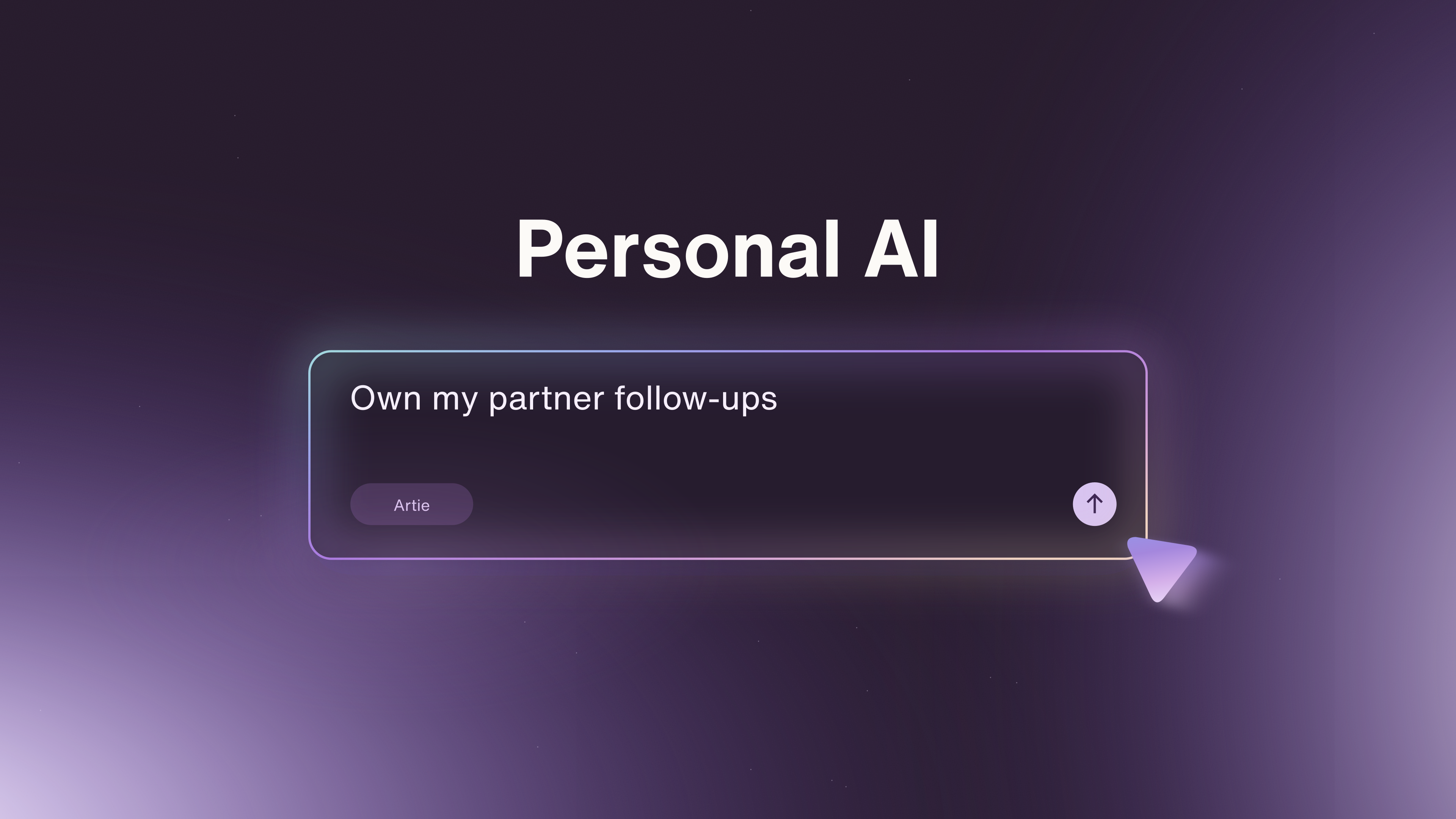
That makes a concrete difference to the assignment. “Own my partner follow-ups” has a continuing purpose: review the relevant conversations, prepare replies in your voice and keep the plans moving across your tools. The twin works within the same AI team as Artie's specialist employees, with the person's own context as its starting point.
The value is continuity around the relationship. A partner's next message is part of work you have already assigned, with earlier decisions and your instructions available to guide the response. You decide which actions need your approval, and the twin flags new commitments for you instead of making them.
Artie's twin guidance permits first-person writing through your connected account within your authorization. Access stays with the accounts you connect, and interpretation of your preferences can need correction. It is a delegate, not a replica of your judgment, and calls retain an AI opening disclosure.
The difference personal context should make
Imagine a fictional independent expert whose partner asks for a workshop on reviewing AI-generated work. The expert has shared two invented writing samples: “Happy to help. Send me the two decisions you want the session to unlock.” And: “Let's use your team's own examples so everyone leaves with something they can apply.” Their current note says Thursday afternoon is available, and their prior agreement calls for a practical session using anonymized examples supplied by the partner.
A useful illustrative reply would read: “Happy to help. Thursday afternoon works for me. Send me two anonymized examples your team is finding hard to review. I'd suggest we use the session to agree what good looks like, work through those examples and leave with a review rubric your team can reuse.” New commercial commitments stay with the expert.
The words are concise, but the important contribution is the substance. The proposed agenda follows the expert's preference for real examples. The availability comes from the current note. The requested preparation connects the partner's problem to a useful output. A generic message could sound friendly without doing any of that work.
For an Artie twin, this fits the documented partner-relationship responsibility: use supplied personal context to draft the reply, then carry forward the authorized follow-up. When the partner supplies the examples, the next assignment can be to prepare the agenda from those materials and the agreed purpose.
Ada: a twin centered on meetings and their aftermath
Read AI's Ada brings meeting and knowledge context into follow-through. Its documented work includes scheduling next steps after meetings, resolving calendar conflicts, suggesting and applying CRM updates from meetings, emails and messages, and delivering scheduled insights. Read says Ada takes actions with explicit consent and lets users review drafts and set access boundaries.
That is substantial execution, not merely a set of meeting notes. For someone whose relationships develop mainly through calls, the conversation record can be the most useful source of context. Ada is relevant when the desired counterpart should turn those discussions into coordinated next steps and keep the person informed about what happened.
In the fictional workshop situation, Ada's documented strengths become especially relevant after a planning meeting establishes the agenda and follow-up. Artie's case begins with the personal responsibility and supplied context around the relationship. These are useful starting points for choosing a product, not exclusive boundaries on what either can do. If your main purchase is calendar planning and executive support, our AI executive assistants comparison covers that decision separately.
Viven: personal drafting, shared expertise and connected work
Viven also uses personal context to produce work. Its day-one guidance describes a twin drawing on documents, emails and meetings to find information, draft communications, summarize threads and prepare updates. That makes Viven relevant to personal communication work as well as information retrieval.
Viven's sharing model adds another reason to consider it: colleagues and clients can chat with a shared twin, while teams can query permitted expert twins for specialist knowledge. For an expert who repeatedly explains the same method, that makes the knowledge itself accessible to others.
Viven's Agents extend this into configured work. An agent can query your twin or another twin you have access to, process the result and take actions through enabled app connections, including writing a Google Doc, sending an email or posting to Slack. Agents can run on demand or on a schedule, be shared and retain run history. Available actions depend on the connectors the organization enables.
A second fictional example makes the distinction tangible. A colleague needs the expert's existing method for reviewing AI-generated work. With access to the expert's Viven twin, the colleague could ask for that method, and a configured agent could use the permitted knowledge to prepare a reusable team brief in a connected document. It serves a different purpose from asking an Artie twin to manage the expert's own partner relationship.
Choose the responsibility your twin should carry
The strongest reason to buy a personal twin is a repeatable connection between what you know and work someone needs. For partner and client relationships, that means using the current conversation, your preferences and earlier decisions to prepare the right response and move the assignment forward.
Artie is built around that personal delegation model. You give the twin a responsibility, work with it as part of your AI team and refine its understanding as the relationship develops. Ada offers a meeting-centered route into coordination. Viven combines personal assistance with knowledge others can query and workflows they can configure.
If you want your own context turned into continuing work across your tools, meet your Artie digital twin. Bring a real responsibility, such as partner follow-ups, and the examples that show how you want it handled.